One Film a Day

One film, one post, every day — old favourites and new releases alike.

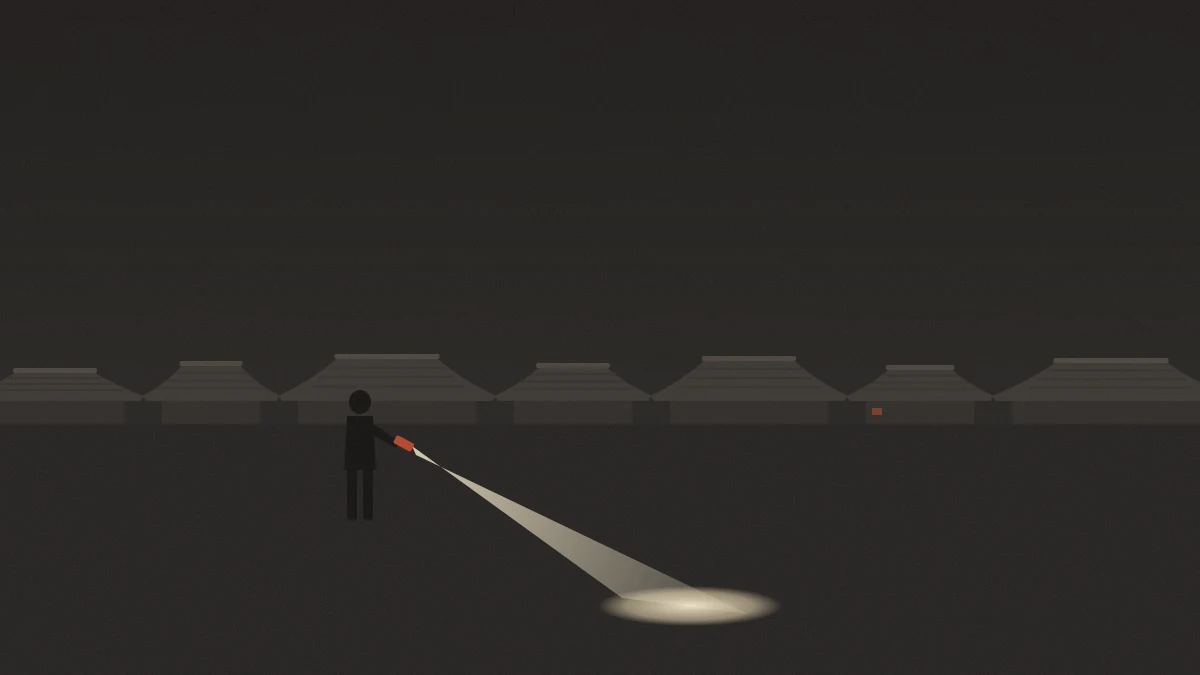
Original editorial illustration for A Brighter Summer Day — a vast field of charcoal night in which a small anonymous figure holds a flashlight, its narrow warm beam falling at a slant onto the ground and lighting only a small patch; a row of low Japanese-style rooftops is silhouetted in the distance

A Brighter Summer Day (1991): Four Hours Isn't a Test of Patience. It's How Long the State Takes to Get Inside a Home.

牯嶺街少年殺人事件 (1991)

Edward Yang once cut his own film down to about three hours, and according to co-writer Hung Hung, the heaviest cuts fell on the father and the White Terror. That tells you what the length is for. The near-four-hour running time is not an endurance test; it is how long it takes for state violence to seep into a household through a flashlight, a radio and a disputed exam score. The one person the film never looks at with the same patience is Ming.
★ 9.4/10

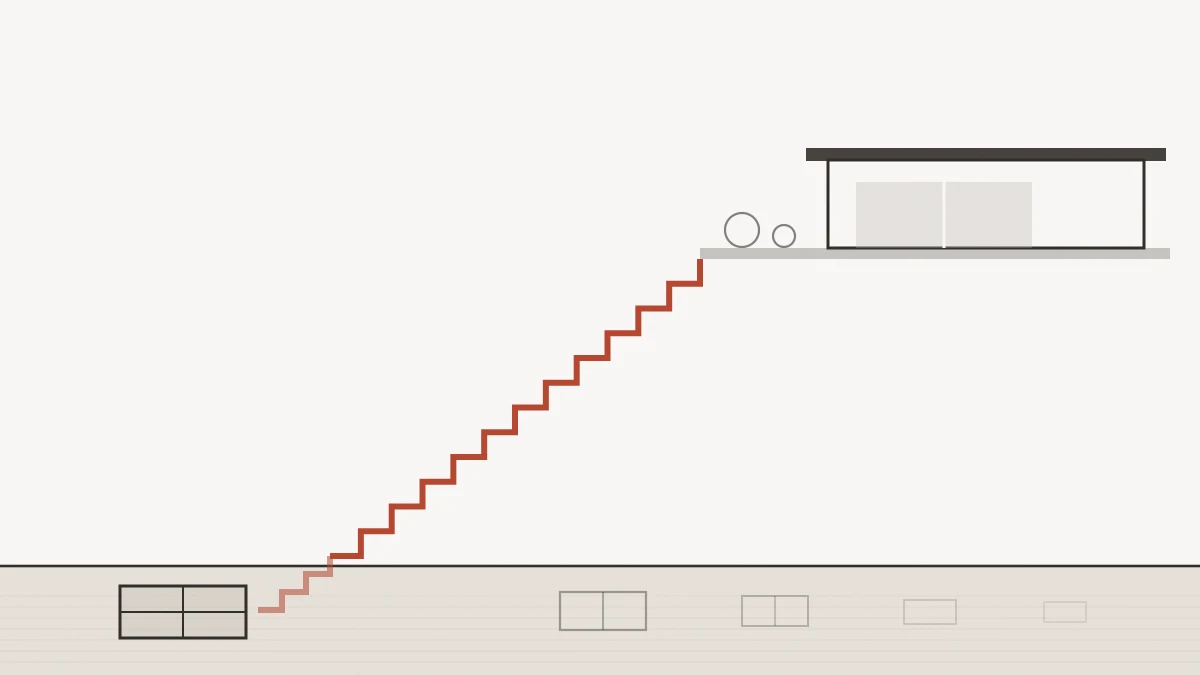
Original editorial illustration for Parasite — a long brick-red staircase descending from a wide flat-roofed house at the top of the frame, crossing a large field of cream negative space, ending at a single small window pinned below the ground line

Parasite (2019): The Class Allegory Is Its Weakest Layer. The Staircase Is the Masterpiece.

기생충 (2019)

During development the film was not called Parasite. It was called Décalcomanie — two houses folded along a crease, one printed onto the other. The class allegory everyone praises is the layer that has taken the hardest hits from serious critics, and they landed. What holds the film up is a vertical terrain fixed at the concept-art stage — and the third-act genre swerve is not a lapse but the only solution that terrain permits, cost included.

★ 9/10